Northstar Pressure Washer Manual: A Comprehensive Guide
Navigating this manual ensures optimal performance and longevity of your Northstar pressure washer. It details setup, operation, maintenance, and troubleshooting,
covering various models and addressing common user inquiries from April 2026.
Understanding Your Northstar Pressure Washer
Your Northstar pressure washer is a powerful cleaning tool, designed for a variety of tasks around your property. Before operation, familiarize yourself with its core components and functionalities. This includes understanding the engine type – whether gas or electric – and the pump’s specifications, such as gallons per minute (GPM) and pounds per square inch (PSI).
The manual emphasizes the importance of proper authorization for account verification, similar to Origin account linking, ensuring seamless operation. Consider the intended use; different nozzles and accessories cater to specific cleaning needs, from delicate surfaces to heavy-duty grime. Remember that consistent maintenance, as outlined in later sections, is crucial for sustained performance;
Furthermore, understanding the unit’s safety features, like the trigger lock and pressure relief valve, is paramount. This knowledge, combined with careful adherence to the safety precautions detailed within, will guarantee a safe and effective cleaning experience. The information available as of April 2026 highlights the need for a comprehensive understanding of your equipment.
Model Identification and Key Features
Accurate model identification is the first step towards utilizing the correct information within this manual. Locate the model number and serial number typically found on a plate affixed to the unit’s frame. Northstar offers a range of pressure washers, each with unique specifications and features tailored to different cleaning demands.
Key features often include varying engine horsepower, pump materials (such as axial cam or triplex), and nozzle configurations. Some models boast features like automatic shut-off, low-oil shutdown, and onboard detergent tanks. Understanding these features allows for optimized performance and targeted cleaning solutions.
Similar to game account authorization processes, ensuring compatibility with accessories is vital. The manual details specific features for each model, referencing data available as of April 2026. Knowing your model’s capabilities will prevent damage and maximize cleaning efficiency, mirroring the importance of character builds in role-playing games.
Safety Precautions and Warnings
Prioritizing safety is paramount when operating a Northstar pressure washer. Always wear appropriate personal protective equipment (PPE), including safety glasses, gloves, and closed-toe shoes. Never point the wand at yourself or others. High-pressure water can cause severe injury.
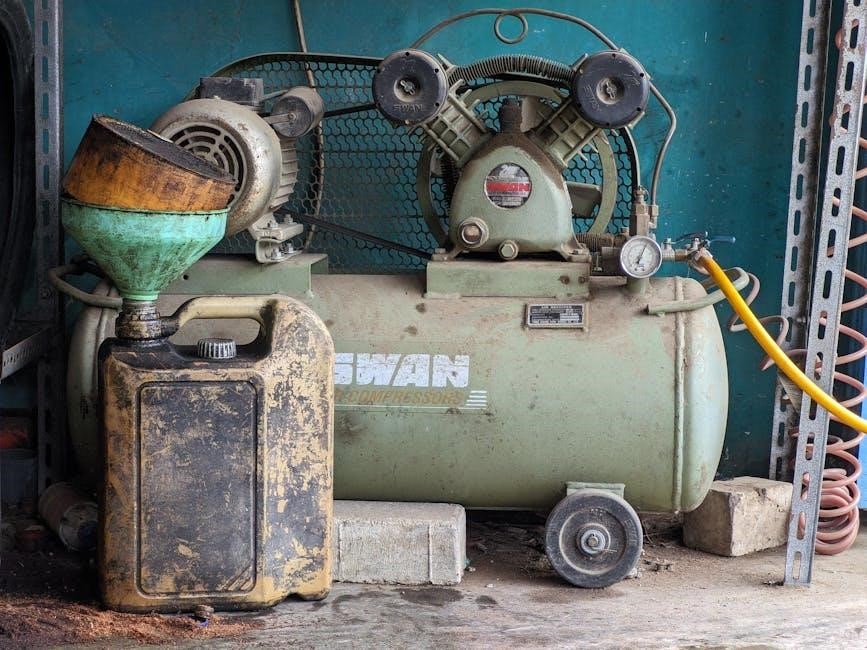
Ensure the work area is clear of obstructions and bystanders. Avoid operating the unit near electrical sources or flammable materials. Like managing character health in a game, preventative measures are crucial. Regularly inspect hoses and connections for damage before each use.

Never alter the factory-set safety features. Be mindful of recoil during operation. As with troubleshooting technical issues, understanding potential hazards minimizes risk. Refer to the detailed warnings within this manual and on the unit itself, updated as of April 2026, for comprehensive safety guidelines.
Assembly Instructions
Careful assembly is key to ensuring your Northstar pressure washer functions correctly. Begin by unpacking all components and verifying against the parts list. Attach the handle to the main unit using the provided bolts, ensuring a secure fit – similar to assembling character builds for optimal performance.
Next, connect the wheels, if applicable, following the diagram. Proper alignment is crucial for maneuverability. Attach the high-pressure hose connector, hand-tightening initially, then using a wrench for a firm seal. Ensure all connections are snug but not over-tightened.
Refer to the detailed illustrations in this manual, updated as of April 2026, for visual guidance. Double-check all connections before proceeding. Like preparing for a challenging quest, thorough preparation prevents issues later on. A correctly assembled unit is the foundation for safe and effective operation.
Connecting the High-Pressure Hose
Properly connecting the high-pressure hose is vital for safe and efficient operation of your Northstar pressure washer. First, ensure the engine is switched off and the trigger gun is released. Locate the hose inlet on the pump and the corresponding connector on the hose itself.
Hand-tighten the connector onto the pump inlet, ensuring it’s securely attached. Then, using a wrench, give it an additional quarter-turn to create a watertight seal. Avoid over-tightening, as this can damage the fittings. Connect the other end of the hose to the trigger gun, again hand-tightening and then using a wrench.
Inspect the hose for any kinks or damage before use. As of April 2026, always verify connections before each use, similar to checking gear before a raid. A secure connection prevents leaks and maintains optimal pressure.
Attaching Nozzles and Accessories
Northstar pressure washers offer versatility through a range of nozzles and accessories. Before attaching anything, always ensure the engine is off and the water supply is disconnected. Locate the quick-connect fitting on the trigger gun – this is where nozzles and accessories attach.
Align the nozzle or accessory with the quick-connect fitting and push firmly until it clicks into place. To remove, depress the locking collar on the fitting while gently pulling the nozzle/accessory away. Never force the connection. Different nozzles provide varying spray patterns – from wide-angle for gentle cleaning to narrow-angle for concentrated power.
Accessories like soap applicators or surface cleaners attach similarly. Refer to the specific accessory’s instructions for optimal use. As of April 2026, remember proper attachment is key for effective cleaning, much like gearing up for a challenge.
Operating Instructions
Before operation, double-check all connections: water supply, high-pressure hose, and chosen nozzle. Ensure the area is clear of obstructions and bystanders. Begin by turning on the water supply fully. Then, start the engine following the ‘Starting and Stopping the Engine’ instructions.
Once the engine is running, slowly squeeze the trigger on the spray gun. A stable, high-pressure stream will emerge. Always hold the gun firmly and maintain a safe distance from the surface being cleaned. Adjust the pressure settings (see ‘Adjusting Pressure Settings’) to suit the task.
Employ proper spraying techniques – sweeping motions are generally most effective. As of April 2026, remember consistent movement prevents damage. Regularly inspect the unit during operation for any leaks or unusual noises. Stop immediately if issues arise.

Starting and Stopping the Engine
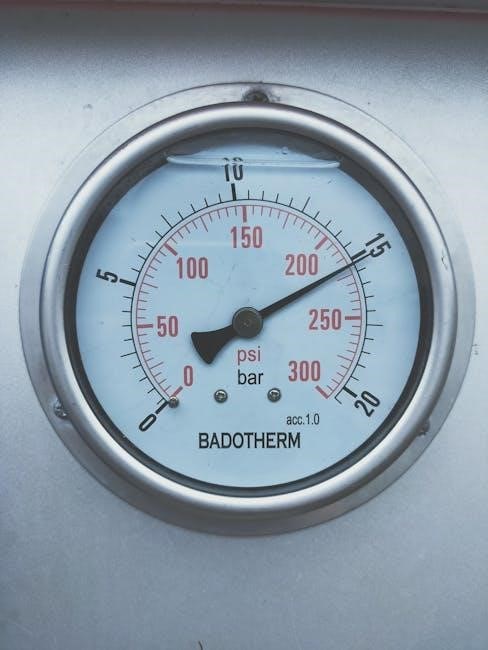
Starting Procedure: First, verify the fuel tank contains adequate fuel. Turn the fuel valve to the ‘ON’ position. Ensure the choke is engaged for a cold start (disengage once the engine sputters). Slowly pull the starter cord until the engine attempts to ignite. Repeat pulls as needed, gradually reducing choke application. Allow the engine to warm up before full operation.
Stopping Procedure: To stop the engine, turn the fuel valve to the ‘OFF’ position. This cuts off the fuel supply, causing the engine to stall. Never rely solely on the ignition switch to stop the engine, especially under load. Disconnect the spark plug wire for extended storage, as noted in maintenance guidelines from April 2026.
Always allow the engine to cool completely before refueling or performing maintenance.
Adjusting Pressure Settings
Pressure Regulation: Your Northstar pressure washer features adjustable pressure settings, crucial for diverse cleaning tasks. Locate the pressure adjustment knob or dial – its position varies by model. Turning the knob clockwise generally increases pressure, while counterclockwise decreases it.

Selecting Appropriate Pressure: Begin with the lowest pressure setting and gradually increase it until the desired cleaning effect is achieved. Delicate surfaces like painted wood require low pressure to prevent damage. For stubborn grime on concrete, higher pressure is necessary. Always test a small, inconspicuous area first.
Refer to the nozzle chart for recommended pressure ranges for specific nozzles. Remember, excessive pressure can cause damage; prioritize controlled cleaning. Information from April 2026 emphasizes careful adjustment.
Proper Spraying Techniques
Effective Cleaning Methods: Maintain a consistent distance from the surface – typically 8-12 inches – for optimal cleaning. Utilize sweeping motions, overlapping each pass slightly, to avoid streaking. Avoid holding the nozzle too close, as this can etch or damage the material.
Angle and Direction: Spray at a slight angle to the surface, working from top to bottom. This prevents water from running uphill and reduces the chance of re-depositing dirt. For textured surfaces, adjust the angle to reach into crevices effectively.
Remember, consistent movement and appropriate distance are key. Data from April 2026 suggests prioritizing a wide spray pattern for larger areas and focused nozzles for concentrated cleaning. Always wear appropriate safety gear, including eye protection.
Maintenance and Troubleshooting
Regular upkeep extends your Northstar pressure washer’s life. After each use, flush the pump with clean water to remove detergent residue. Inspect hoses for cracks or leaks, and replace as needed. Check nozzle connections for tightness. April 2026 data highlights the importance of fuel stabilizer for gasoline models during storage.
Common Issues: If the engine fails to start, check the fuel level, spark plug, and air filter. Low pressure often indicates a clogged nozzle or a faulty pump. Unusual noises may signal a bearing issue. Always disconnect the power source before performing any maintenance.
Preventative Care: Store the unit in a dry, protected area. Consult the warranty information for authorized service centers. Consistent maintenance minimizes downtime and ensures peak performance.
Cleaning and Storing the Unit
Proper cleaning and storage are vital for longevity. After each use, disconnect the high-pressure hose and nozzles. Rinse the exterior of the unit with a mild detergent and water, avoiding direct spray on the engine or electrical components. April 2026 discussions emphasize removing all traces of soap to prevent corrosion.
Storage Preparation: Before long-term storage, drain all water from the pump and hoses to prevent freezing damage. Add fuel stabilizer to the gasoline tank (if applicable). Store the pressure washer in a clean, dry, and frost-free location. Protect it from dust and debris with a cover.
Winterization: For colder climates, consider using an RV antifreeze solution in the pump to provide additional freeze protection. Regularly inspect stored units for any signs of damage.
Nozzle Cleaning and Replacement
Maintaining clean nozzles is crucial for optimal spray patterns and pressure. Over time, nozzles can become clogged with mineral deposits or debris, reducing performance. Regularly inspect nozzles for blockages, particularly after use with dirty water. April 2026 forum posts highlight the importance of preventative maintenance.
Cleaning Procedure: Remove the nozzle and soak it in a vinegar solution or a commercial nozzle cleaner. Use a small wire or pin to carefully clear any obstructions from the nozzle orifice. Avoid enlarging the opening, as this will affect spray quality.
Replacement: If a nozzle is damaged or cannot be cleaned effectively, replace it with a genuine Northstar replacement nozzle. Ensure the new nozzle is securely attached before operation. Refer to your model’s parts diagram for correct nozzle specifications.
Common Issues and Solutions
This section addresses frequently encountered problems with Northstar pressure washers and provides troubleshooting steps. A common issue is difficulty starting the engine, often due to stale fuel or a clogged fuel filter – ensure fresh fuel is used and the filter is clean. April 2026 discussions mention fuel system concerns.
Low Pressure: Check for clogged nozzles, a kinked high-pressure hose, or a faulty pressure regulator. Inspect the water inlet screen for obstructions. Engine Stalling: This could indicate an overheating issue; allow the unit to cool down.
Pump Issues: If the pump fails to build pressure, it may require professional servicing. Always disconnect the power supply before attempting any repairs. Refer to the warranty information for authorized service centers. Remember safety first!
Specific Model Troubleshooting (Based on Common Northstar Models)
Addressing issues specific to popular Northstar models requires tailored solutions. For the 8700 series, a frequent complaint involves inconsistent pressure, often resolved by cleaning the unloader valve. Discussions from April 2026 highlight fuel system problems across several models, suggesting regular fuel stabilizer use.
The 9000 series sometimes experiences pump overheating; ensure adequate ventilation and check the oil level. For the portable 1500 series, a common issue is a clogged quick-connect fitting – thoroughly flush with water.
Always consult the model-specific section of this manual for detailed diagrams and part numbers. If problems persist, contact Northstar customer service for expert assistance. Remember to have your model number readily available when seeking support.
Fuel System Issues
Maintaining a clean fuel system is crucial for reliable engine operation. Common problems include stale fuel, a clogged fuel filter, and carburetor issues. Always use fresh fuel and consider a fuel stabilizer, especially during storage, as noted in discussions from April 2026.
If the engine fails to start, first check the fuel level and ensure the fuel shut-off valve is open. A clogged fuel filter restricts fuel flow; replace it annually or more frequently with heavy use. Carburetor problems often manifest as rough idling or stalling – cleaning or rebuilding may be necessary.
Never use gasoline blends exceeding 10% ethanol, as this can damage fuel lines and the carburetor. Always disconnect the spark plug wire before working on the fuel system to prevent accidental starting.
Pump Maintenance
The pump is the heart of your Northstar pressure washer, requiring regular maintenance for optimal performance. Neglecting pump care can lead to reduced pressure and eventual failure. Periodically inspect the pump for leaks and unusual noises, referencing user discussions from April 2026.
Water intake is critical; always use a clean water source and install a filter on the inlet hose to prevent debris from entering the pump. Lubrication is also key – some models require periodic oil changes (check your specific model’s instructions).
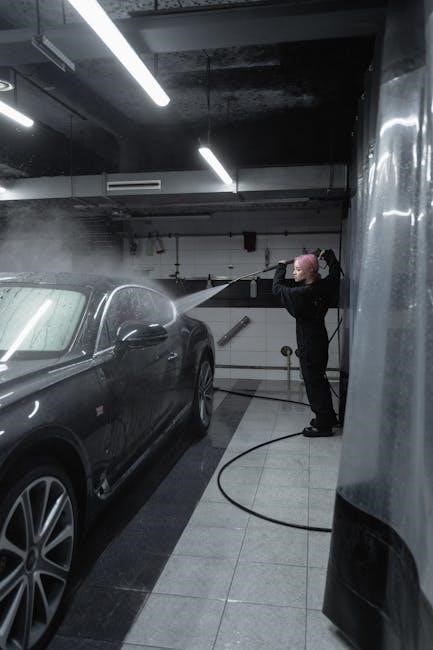
Avoid running the pump dry, as this can cause severe damage. If the pump is not building pressure, check for air leaks in the high-pressure hose and connections. Winterizing the pump by adding pump protector is essential in freezing climates to prevent internal damage.
Warranty Information and Support
Your Northstar pressure washer is covered by a limited warranty against defects in materials and workmanship. The warranty period varies depending on the model and date of purchase – refer to the warranty card included with your unit for specific details, as of April 2026 discussions.

The warranty does not cover damage caused by misuse, abuse, neglect, or improper maintenance. Keep your purchase receipt as proof of date. For warranty claims or support, contact Northstar Customer Service (details below).

Beyond the warranty, Northstar offers a range of support resources, including online FAQs, troubleshooting guides, and a network of authorized service centers. Online forums may also provide helpful tips and solutions from other Northstar users. Ensure proper registration for expedited service.
Contacting Northstar Customer Service
For immediate assistance with your Northstar pressure washer, or to inquire about warranty claims, please reach out to our dedicated Customer Service team. We are available via multiple channels to ensure convenient support, reflecting current availability as of April 2026.
You can contact us by phone at 1-800-NORTHSTAR (1-800-667-8478) during business hours, Monday through Friday, 8:00 AM to 5:00 PM Central Time. Alternatively, you can email us at customerservice@northstarpressurewashers.com. Please include your model number and a detailed description of your issue.
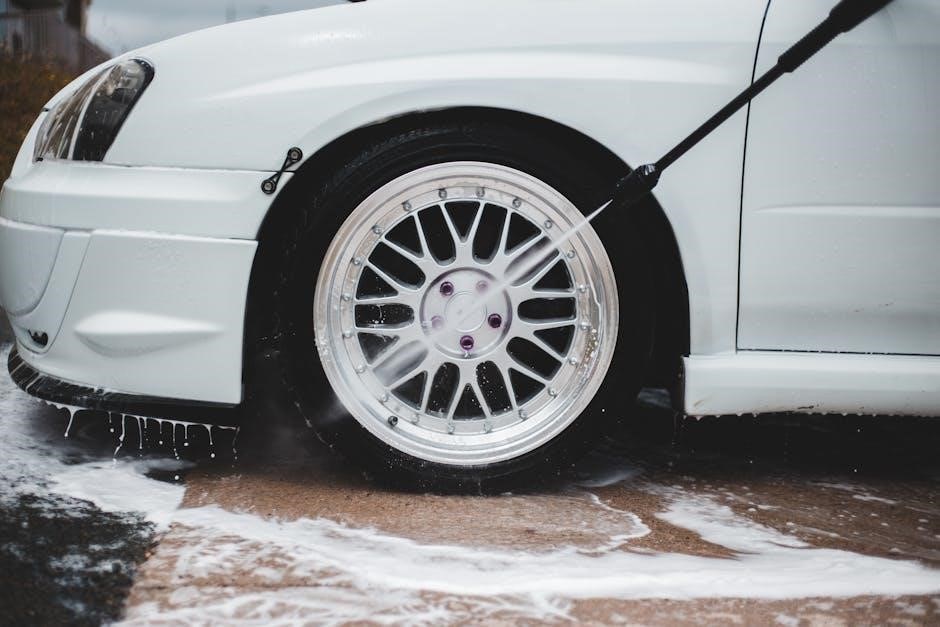
For frequently asked questions and troubleshooting guides, visit our website at www.northstarpressurewashers.com/support. Live chat support is also available on the website during peak hours. We strive to provide prompt and helpful assistance to all our customers.