Zone 7 Planting Guide: A Comprehensive Calendar for 2026
This 2026 guide details optimal planting times for Zone 7, covering 49 vegetables, herbs, fruits, and flowers․
Utilize frost dates (Mar 15/Nov 15) and soil temperatures
for a thriving garden in cities like Charlotte and Atlanta․
Understanding Zone 7
Zone 7, a geographically diverse region, experiences moderate winters and warm summers, making it ideal for a wide array of plants․ Characterized by average minimum winter temperatures between 0°F and 10°F (-17․8°C to -12․2°C), successful gardening in Zone 7 hinges on understanding these temperature fluctuations and tailoring planting schedules accordingly․ This zone encompasses areas like Charlotte and Raleigh, North Carolina, and Atlanta, Georgia, each with microclimates influencing specific planting timings․
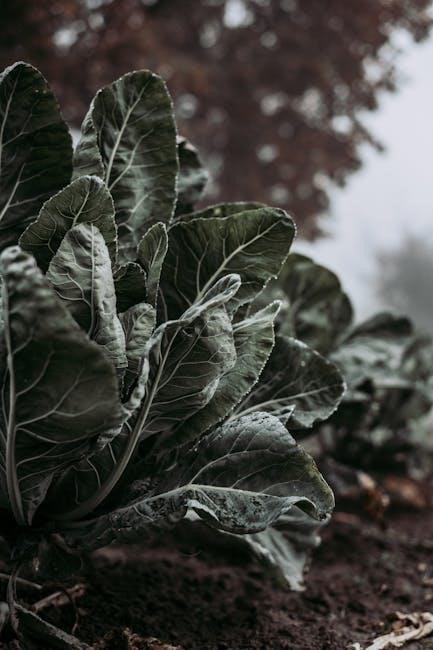
Gardeners in Zone 7 benefit from a longer growing season compared to colder regions, allowing for multiple harvests․ However, awareness of both the last expected spring frost (around March 15th in 2026) and the first expected fall frost (approximately November 15th in 2026) is crucial․ Utilizing resources like The Old Farmer’s Almanac planting calendar, customized by ZIP code, provides precise dates for sowing seeds, transplanting seedlings, and direct sowing, maximizing yields and plant health․ Understanding your specific 7a or 7b subzone further refines planting strategies․
Key Dates for Zone 7 in 2026
For Zone 7 gardeners in 2026, several key dates dictate successful planting․ The last expected frost date is approximately March 15th, signaling the start of spring planting for many cool-season crops․ This is the time to begin hardening off seedlings started indoors․ Conversely, the first expected frost arrives around November 15th, prompting the harvest of tender vegetables and preparation for winter protection․
Throughout the year, specific months are optimal for different planting activities․ June and July are prime for warm-season vegetables like tomatoes and peppers․ September and October are ideal for fall vegetable gardens and planting garlic and onions․ March and April are crucial for starting seeds indoors and direct sowing early spring vegetables․ Utilizing a detailed planting calendar, customized to your specific location within Zone 7, ensures alignment with local weather patterns․ Remember to consult resources like Park Seed’s planting guide for precise timing of seed starting, transplanting, and direct sowing․
Frost Dates: Last & First
Understanding frost dates is paramount for Zone 7 gardeners in 2026․ Generally, the last spring frost is anticipated around March 15th․ This date marks a turning point, allowing for the safe transplanting of frost-sensitive plants outdoors, after a period of hardening off․ However, microclimates can exist, so local forecasts are essential․
Conversely, the first autumn frost typically arrives around November 15th․ This signals the end of the growing season for many warm-weather crops, necessitating harvest before damage occurs․ Protecting tender plants with covers can extend the season slightly․ These dates are averages; variations can occur annually․ Gardeners should monitor weather forecasts closely and be prepared to adjust planting schedules accordingly․ Utilizing resources like The Old Farmer’s Almanac planting calendar, customized by ZIP code, provides more precise frost date predictions for your specific location within Zone 7, maximizing gardening success․
Soil Temperature Considerations
Soil temperature is a critical, often overlooked, factor in Zone 7 planting success for 2026․ While air temperature provides a general guideline, it’s the soil warmth that directly impacts seed germination and root development․ Different vegetables require different soil temperatures for optimal growth․
For example, cool-season crops like spinach and lettuce germinate best in soil temperatures between 45-60°F, achievable earlier in spring․ Warm-season crops, such as tomatoes and peppers, demand soil temperatures of 65-85°F before planting․ Using a soil thermometer is highly recommended․ Dark-colored mulch can warm the soil faster in spring, while lighter-colored mulch can help keep it cooler in summer․ Consider raised beds, which tend to warm up quicker․ Monitoring soil temperature alongside frost dates ensures seeds are sown into a favorable environment, increasing germination rates and establishing healthy plants throughout the growing season․
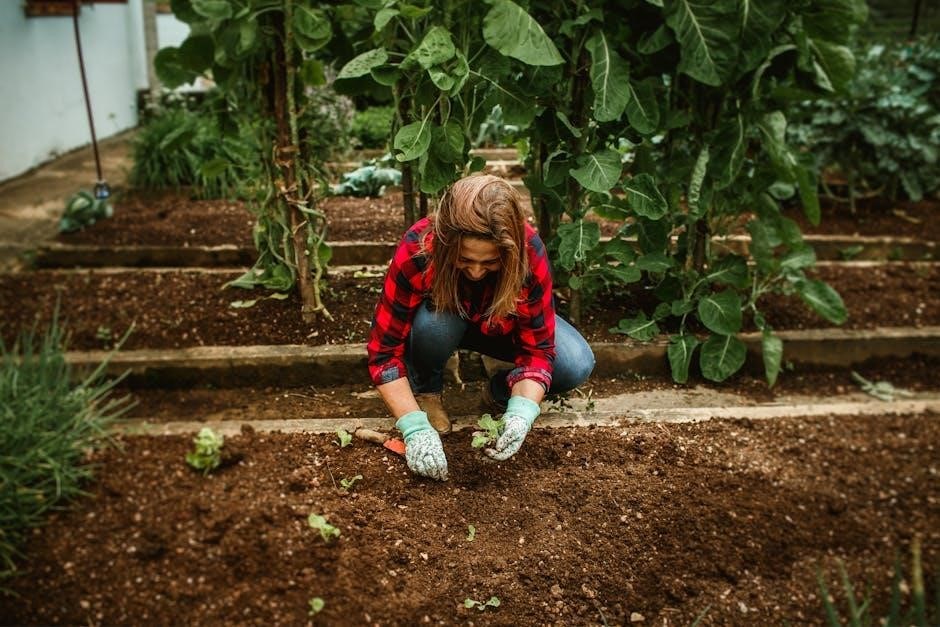
Spring Planting (March ― May)
Spring in Zone 7 (March-May 2026) is ideal for starting seeds indoors and direct sowing cool-season crops․
Focus on early vegetables and prepare for transplanting as temperatures rise․
Early Spring Vegetables (March ― April)
March and April in Zone 7 mark the beginning of the growing season, offering a fantastic opportunity to get a head start on your vegetable garden․ With the last frost typically around March 15th, careful planning is key․ Consider starting cool-season vegetables directly into the garden as soon as the soil can be worked․
Excellent choices for early spring planting include spinach, lettuce, kale, radishes, and peas․ These crops thrive in cooler temperatures and can tolerate light frosts․ Don’t forget about root vegetables like carrots and beets, which also do well when planted early․ For a continuous harvest, succession plant radishes and lettuce every two weeks․
If you’re eager to get a jump on the season, start seeds indoors 6-8 weeks before the last frost for vegetables like broccoli, cauliflower, and cabbage․ Transplant these seedlings into the garden in April once they’ve developed a few sets of true leaves․ Remember to harden off your seedlings gradually before transplanting to acclimate them to outdoor conditions․ Utilizing a planting calendar specific to your ZIP code, like those offered by The Old Farmer’s Almanac, will further refine your timing for optimal results․
Cool-Season Crops (April ― May)
As April and May unfold in Zone 7, the focus shifts to establishing a robust selection of cool-season crops․ Soil temperatures are warming, but these vegetables still prefer milder conditions․ This is the ideal time to direct sow or transplant a wider variety of greens and root vegetables․
Consider planting Swiss chard, arugula, and more varieties of lettuce for continuous salads throughout the spring and early summer․ Potatoes should be planted in early April, while onions and leeks can be transplanted as soon as the ground is workable․ For a later harvest, plant beets and turnips in May․
Broccoli and cauliflower transplants, started indoors earlier, should be thriving now․ Keep an eye on the forecast for any late frosts and be prepared to cover sensitive plants․ Remember to utilize succession planting techniques, staggering your plantings every few weeks, to ensure a prolonged harvest․ Consulting a Zone 7 planting schedule will help you pinpoint the optimal timing for each crop, maximizing your garden’s productivity․
Starting Seeds Indoors (March ⎯ April)
March and April are crucial months for starting seeds indoors in Zone 7, giving plants a head start before the last frost․ This practice is particularly beneficial for crops with a longer growing season, ensuring a bountiful harvest later in the year․
Tomatoes, peppers, and eggplants are excellent candidates for indoor sowing in early March․ Utilize seed-starting mix and provide ample light, either through a sunny window or grow lights, to prevent leggy seedlings․ Broccoli, cauliflower, and cabbage can also be started indoors during this period, ready for transplanting in April․
As April progresses, consider starting herbs like basil and parsley indoors․ Remember to harden off your seedlings gradually before transplanting them outdoors, exposing them to increasing amounts of sunlight and outdoor temperatures over a week or two․ A Zone 7 planting calendar will provide specific dates for each crop, optimizing your seed-starting schedule for success․
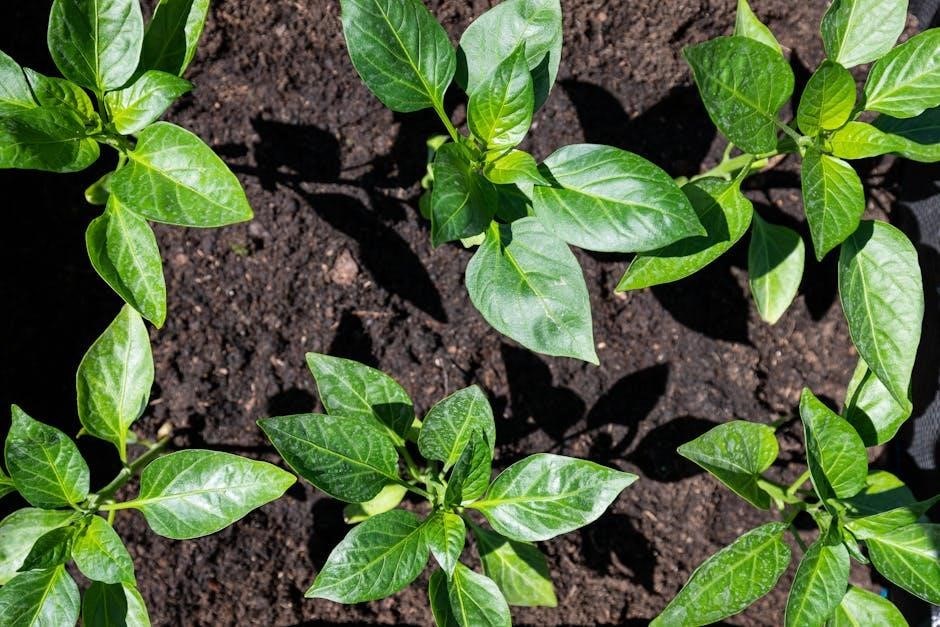
Summer Planting (June ⎯ August)
June-August focuses on warm-season vegetables in Zone 7․ Succession planting maximizes harvests, while heat-tolerant flowers and herbs flourish․
Plan for optimal growth during these warmer months․
Warm-Season Vegetables (June ― July)
June and July are prime months for establishing warm-season vegetables in Zone 7 gardens․ The risk of frost has passed, and soil temperatures consistently support robust growth․ Tomatoes, peppers, eggplants, and cucumbers thrive when planted during this period․ Consider starting seeds indoors a few weeks prior to transplanting to get a head start, especially for longer-season varieties․
Beans, both bush and pole varieties, can be directly sown into the garden in June․ Corn also benefits from a June planting, ensuring a summer harvest․ Squash and zucchini are fast-growing and can be planted throughout June and early July for a continuous supply․ Melons, requiring a longer growing season, should be started indoors or planted early in June․
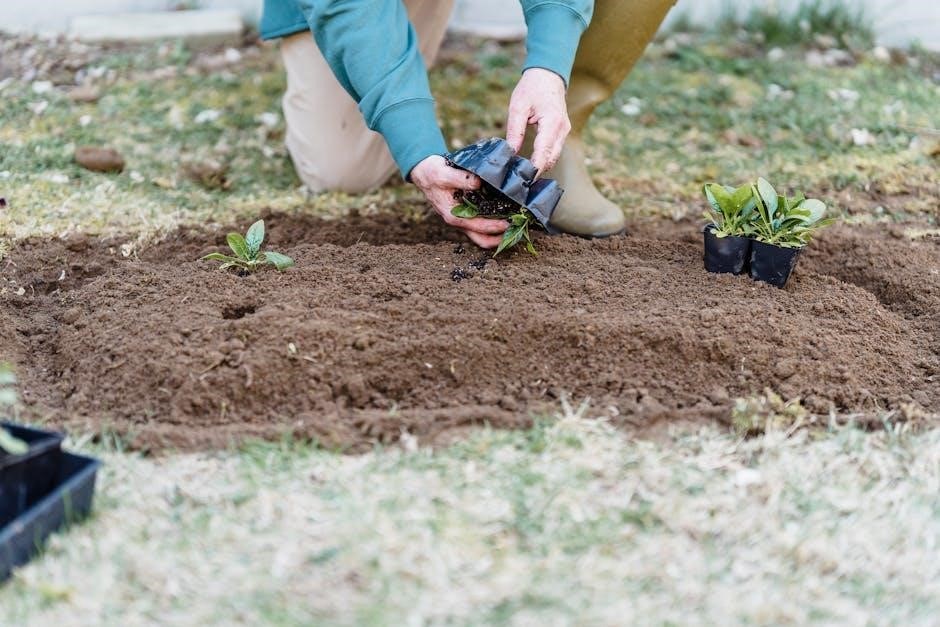
Proper soil preparation is crucial․ Amend the soil with compost to provide essential nutrients and improve drainage․ Consistent watering is vital, especially during hot spells․ Mulching helps retain moisture and suppress weeds․ Remember to monitor for pests and diseases, taking appropriate action when necessary to protect your valuable crops․ Succession planting, sowing seeds every few weeks, extends the harvest period for many warm-season vegetables․
Succession Planting for Summer
Maximize your summer harvest in Zone 7 with strategic succession planting․ This technique involves sowing seeds or transplanting seedlings at intervals, ensuring a continuous supply of fresh vegetables throughout the season․ For crops like lettuce, spinach, and radishes, sow small batches every two to three weeks․
Beans and peas also benefit greatly from succession planting․ After the initial planting, sow another batch as soon as the first crop begins to produce․ This extends the harvest window and prevents a glut of produce all at once․ Consider staggering plantings of carrots and beets for a consistent supply․
Warm-season crops like zucchini and summer squash are prolific producers․ Planting a new batch of seeds every three to four weeks prevents a massive harvest followed by a decline․ Utilize fast-maturing varieties for quicker turnaround times․ Succession planting requires careful planning and record-keeping, but the rewards – a bountiful and extended harvest – are well worth the effort․ Don’t forget to consider the remaining growing season when planning your succession plantings․
Heat-Tolerant Flowers & Herbs
Zone 7 summers can be hot and humid, demanding heat-tolerant plants․ For vibrant color, consider zinnias, cosmos, and lantana – these flowers thrive in full sun and withstand high temperatures beautifully․ Marigolds are another excellent choice, offering bright hues and pest-repelling properties․
Herbs also need to endure the summer heat․ Rosemary, thyme, and oregano are remarkably resilient, requiring minimal care once established․ Basil, a summer staple, benefits from afternoon shade to prevent bolting․ Lavender flourishes in hot, dry conditions, releasing its fragrant aroma․
Proper soil preparation is crucial for heat tolerance․ Amend the soil with compost to improve drainage and water retention․ Mulching helps conserve moisture and regulate soil temperature․ Regular watering, especially during dry spells, is essential․ Choosing the right plants and providing adequate care will ensure a stunning and fragrant summer garden, even in the Zone 7 heat․
Fall Planting (September ― November)
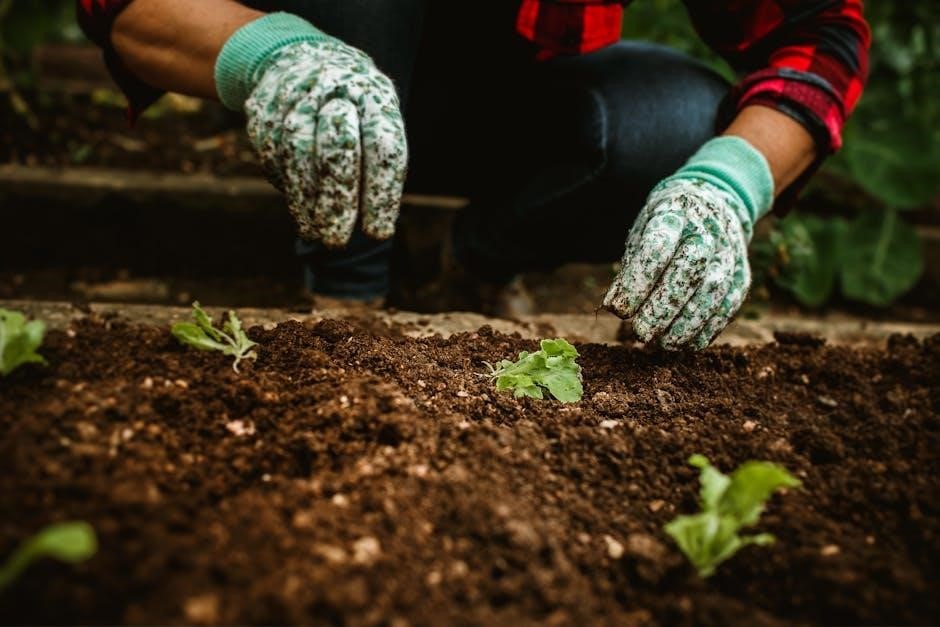
September-November is ideal for fall vegetables like spinach and lettuce in Zone 7․ Plant garlic and onions for a summer harvest, and utilize cover crops
to enrich the soil during winter months for next year’s growth․
Fall Vegetable Gardens (September ― October)
Establishing a fall vegetable garden in Zone 7 during September and October allows for a bountiful harvest before the first frost, typically around November 15th․ This period offers cooler temperatures, reducing stress on plants and minimizing weed growth․ Focus on cool-season crops that thrive in these conditions․
Excellent choices include spinach, lettuce, kale, collard greens, and mustard greens․ Root vegetables like radishes, turnips, and carrots also perform well when planted in the fall․ Consider planting broccoli, cauliflower, and cabbage seedlings for a late-season harvest․ Peas can also be sown directly into the garden during this time․
Proper soil preparation is crucial․ Amend the soil with compost or well-rotted manure to provide essential nutrients․ Ensure adequate drainage to prevent root rot․ Mulching around plants helps retain moisture and regulate soil temperature․ Regularly monitor for pests and diseases, addressing any issues promptly․ With careful planning and execution, a fall vegetable garden in Zone 7 can extend your growing season and provide fresh produce well into the winter months․
Planting Garlic & Onions
Fall, specifically October, is the ideal time to plant garlic and onions in Zone 7 for a summer harvest․ This allows the bulbs to develop strong root systems before the ground freezes, resulting in larger, healthier yields․ Choose certified disease-free garlic cloves and onion sets for best results․
When planting garlic, separate the cloves and plant them pointy-end up, approximately 2 inches deep and 6 inches apart; For onions, plant sets 1 inch deep and 4-6 inches apart․ Ensure the soil is well-drained and amended with compost or aged manure․ A slightly acidic to neutral pH is preferred․
Mulching heavily with straw or shredded leaves provides insulation and helps retain moisture throughout the winter․ In spring, as growth resumes, fertilize with a balanced fertilizer․ Monitor for pests like onion maggots and take appropriate action if needed․ Harvesting garlic typically occurs in mid-summer when the leaves begin to brown, while onions are ready when the tops fall over․
Cover Crops for Winter
As fall transitions into winter in Zone 7, utilizing cover crops is a fantastic way to enrich your garden soil and prevent erosion․ Planting these “green manures” in September and November offers numerous benefits, improving soil structure, suppressing weeds, and adding valuable nutrients․
Excellent choices for Zone 7 include winter rye, crimson clover, and hairy vetch․ Winter rye is particularly effective at preventing erosion and scavenging nutrients, while clover and vetch fix nitrogen in the soil, naturally fertilizing it for the following season․ Sow seeds directly into the garden bed after harvesting your fall crops․
These crops will grow throughout the cooler months, protecting the soil from the elements․ In early spring, before planting your spring vegetables, chop down the cover crop and incorporate it into the soil․ This process adds organic matter, improving drainage and fertility․ Consider a mix of cover crops for a diverse range of benefits, ensuring a healthy and productive garden for 2026․
Winter Considerations (December ― February)
During Zone 7 winters, focus on protecting existing plants from frost and meticulously planning for the upcoming 2026 growing season․
Garden planning and tool maintenance are key!
Protecting Plants from Frost
Zone 7 experiences fluctuating winter temperatures, demanding proactive frost protection strategies․ Understanding that the first frost typically arrives around November 15th necessitates preparation․ Tender perennials and marginally hardy shrubs benefit immensely from a layer of mulch – straw, shredded leaves, or pine needles – applied generously around their base․ This insulates the roots and helps retain soil warmth․
For more sensitive plants, consider covering them with frost blankets or burlap․ These materials trap air and shield against damaging frost․ Remember to remove coverings during warmer daylight hours to allow for air circulation and prevent moisture buildup, which can lead to fungal diseases․ Container plants are particularly vulnerable to freezing temperatures; move them to a sheltered location, such as a garage or shed, or wrap the containers with insulating materials․
Even established trees can benefit from trunk wrapping, especially young trees, to prevent sunscald – damage caused by rapid temperature fluctuations․ Regularly monitor weather forecasts and be prepared to implement these protective measures when frost is predicted․ Prioritizing frost protection ensures the survival and continued health of your garden throughout the winter months, setting the stage for a bountiful 2026 growing season․
Planning for the Next Season
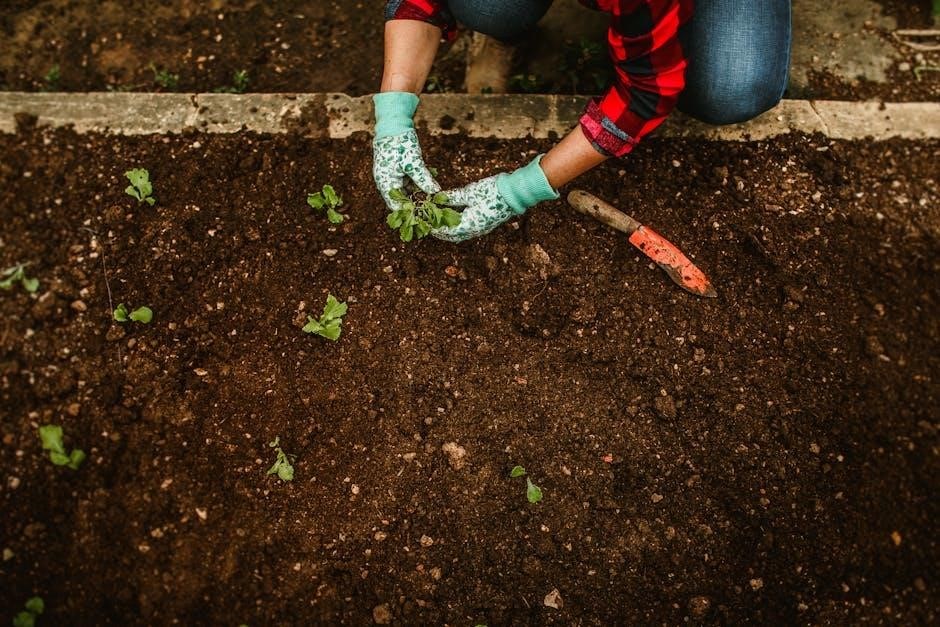
As Zone 7’s winter settles, proactive planning for the 2026 growing season is crucial․ Reviewing the past year’s successes and failures provides valuable insights․ Consider which varieties thrived and which struggled, adjusting your seed selections accordingly․ Utilize the Zone 7 planting calendar – remembering the last frost around March 15th – to begin seed starting indoors for early spring vegetables like tomatoes and peppers․
January and February are ideal for ordering seeds and supplies, ensuring availability of desired varieties․ Sketch out a garden layout, incorporating crop rotation principles to improve soil health and minimize pest and disease issues․ Think about succession planting strategies to maximize yields throughout the summer months․
Research new techniques or crops you’d like to try․ The Old Farmer’s Almanac planting calendar, customized by ZIP code, offers precise planting dates․ Don’t forget to assess your soil’s needs and plan for any necessary amendments․ A well-thought-out plan, initiated during the winter, will pave the way for a productive and rewarding garden in 2026․
Zone 7 Fruit Tree Planting Guide
Zone 7 offers a fantastic climate for a diverse range of fruit trees, but timing is key for successful establishment․ The ideal planting window is typically during dormancy – late fall (October-November) or early spring (March-April), before bud break․ Bare-root trees are best planted during dormancy, while container-grown trees offer more flexibility․
Consider chill hours when selecting varieties; most fruit trees require a specific number of hours below 45°F to break dormancy and fruit properly․ Apples, peaches, pears, plums, and cherries all thrive in Zone 7․ Ensure proper soil drainage and amend with compost to improve fertility․
Spacing is crucial for air circulation and sunlight penetration․ Protect young trees from pests and wildlife with tree guards․ Remember the last frost date around March 15th when planning spring planting․ Regular pruning and fertilization will promote healthy growth and abundant harvests․ Consult local nurseries for recommendations tailored to your specific microclimate within Zone 7․