Somatic Yoga Exercises: A Comprehensive Guide
Discover a pathway to well-being! Explore readily available somatic yoga exercises PDFs and online resources, designed for beginners seeking stress relief and pain management.
Numerous guides, like those found on Amazon, offer 28-day plans, while YouTube provides 10-minute daily practices, fostering mindful movement and body awareness.
These resources, rooted in Thomas Hanna’s work, utilize pandiculation to release chronic tension, mirroring principles found in Feldenkrais methods.
What is Somatic Yoga?
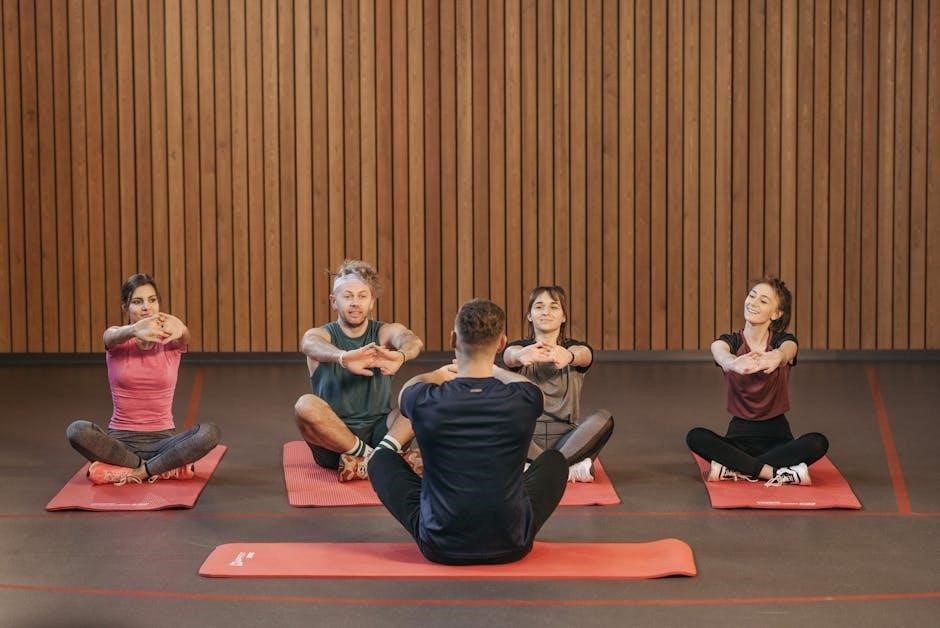
Somatic Yoga is a mindful movement practice deeply rooted in somatic experiencing, differing from traditional yoga through its emphasis on internal sensation and self-regulation. It’s not about achieving a perfect pose, but rather about listening to your body’s innate wisdom and releasing deeply held patterns of tension.
Unlike conventional exercise, Somatic Yoga focuses on the nervous system’s role in movement, utilizing pandiculation – slow, mindful contraction and relaxation – to “reset” muscular holding patterns. These patterns often develop as a result of trauma, stress, or injury, causing chronic discomfort. Resources like somatic yoga exercises PDFs and online guides, such as those available on platforms like Amazon, provide structured practices.
The practice encourages a heightened body awareness, allowing individuals to identify and release areas of restriction. It’s a gentle, accessible approach, even through chair yoga variations, making it suitable for all levels and abilities. The goal is to restore natural, fluid movement and cultivate a deeper connection to oneself.
The Core Principles of Somatic Movement
Somatic Movement centers around the idea that the body holds onto past experiences, manifesting as chronic tension and restricted movement. Key principles include interoception – the ability to sense internal bodily states – and the understanding that movement is not solely about muscles, but also the nervous system.
Pandiculation, a cornerstone of the practice, involves slow, conscious contraction followed by lengthening, retraining muscles to release habitual holding patterns. This differs from stretching, which can sometimes reinforce tension. Accessing somatic yoga exercises PDFs and online resources provides guided explorations of these principles.
Another core tenet is non-doing – releasing the urge to “fix” or force movement, and instead allowing the body to self-correct. This approach, inspired by Thomas Hanna’s work, fosters a deeper connection to innate wisdom and promotes lasting change. These principles are often found within 28-day plans and 10-minute daily practices.
Thomas Hanna and the Foundations of Somatics
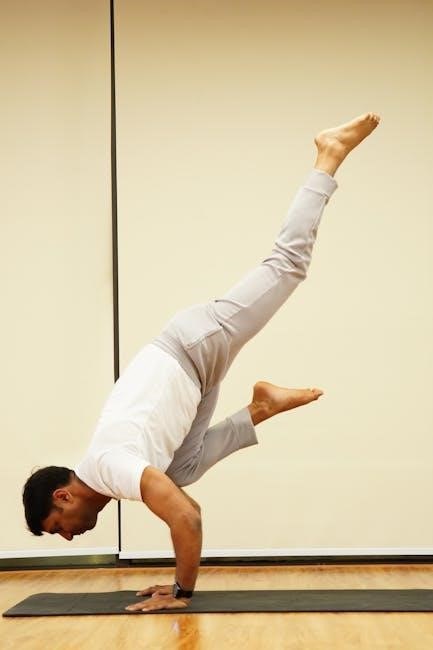
Thomas Hanna, a pioneer in the field, established Somatics as a discipline recognizing the body’s inherent capacity for self-regulation. He observed that trauma, stress, and injury often lead to “sensory-motor amnesia,” where muscles chronically contract and “forget” how to relax. His work challenged conventional approaches to movement and pain management.
Hanna’s foundational text, Somatics, detailed exercises based on pandiculation – a natural, instinctive process of contraction and lengthening – to restore voluntary control to chronically tense muscles. Many somatic yoga exercises PDFs and online resources directly stem from his methodologies.
His influence extends to related practices like Feldenkrais, emphasizing mindful movement and body awareness. Exploring resources like those available on Reddit’s r/SomaticExperiencing reveals the enduring impact of Hanna’s work, offering pathways to release tension and improve well-being through conscious movement.
Pandiculation: The Key to Releasing Muscle Tension
Pandiculation is the core mechanism driving somatic exercises, representing a naturally occurring, full-body stretch combined with a voluntary contraction followed by a slow, controlled release. It’s the instinctive movement animals perform upon waking, and humans often do unconsciously.
Thomas Hanna identified pandiculation as the key to overcoming “sensory-motor amnesia,” retraining muscles to regain their full range of motion and release chronic tension. Many somatic yoga exercises PDFs guide practitioners through these deliberate contractions and releases.
Unlike forceful stretching, pandiculation works with the nervous system, gently signaling muscles to lengthen and relax. Resources found online, and within somatic yoga programs, emphasize mindful awareness during each phase, promoting deeper release and improved body awareness. This process is often described as finding a “sweet spot” of release.
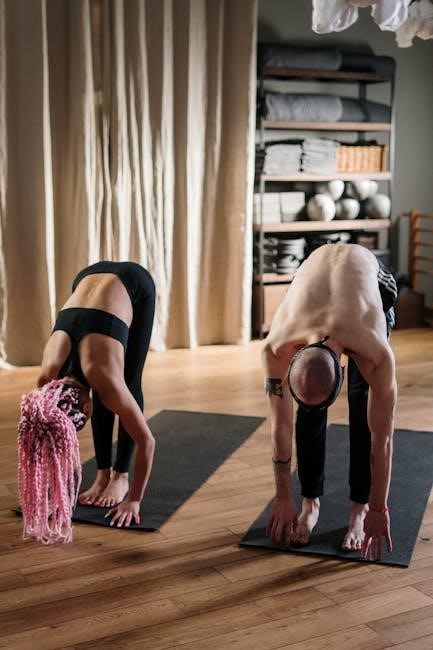
Somatic Yoga vs. Traditional Yoga: Key Differences
While both somatic yoga and traditional yoga involve movement and breathwork, their core focus differs significantly. Traditional yoga often emphasizes achieving specific postures (asanas) and holding them, sometimes prioritizing form over internal sensation.
Somatic yoga, however, prioritizes internal experience and interoception – the awareness of internal bodily states. It’s less about achieving a perfect pose and more about listening to the body’s signals and moving with mindful intention. Somatic yoga exercises PDFs often emphasize small, subtle movements.
The emphasis on pandiculation and releasing chronic muscle tension is also more central to somatic yoga. While traditional yoga can offer these benefits, somatic yoga directly addresses sensory-motor amnesia, offering a unique approach to body awareness and pain relief, as highlighted in online discussions.
The Benefits of Somatic Yoga
Somatic yoga offers a wide range of benefits, extending beyond typical physical exercise. Accessing somatic yoga exercises PDFs and online resources unlocks pathways to improved well-being, particularly in pain management and stress reduction.
By focusing on internal sensation and releasing chronic muscle tension through pandiculation, somatic yoga can alleviate discomfort and restore natural movement patterns. Many users report a “sweet spot” release, akin to a gentle realignment, without forceful manipulation.
Furthermore, somatic practice cultivates improved body awareness, fostering a deeper connection to one’s physical and emotional state. Resources like those on Reddit and Amazon highlight its effectiveness for emotional balance and even supporting weight loss through mindful movement and stress regulation.
Pain Management and Relief
Somatic yoga exercises PDFs and guided practices offer a gentle, yet powerful, approach to pain management. Unlike forceful stretching, somatic movement focuses on releasing chronic holding patterns within the muscles – often developed due to trauma, stress, or injury.
This method, rooted in Thomas Hanna’s work, utilizes pandiculation – slow, mindful contraction and relaxation – to “retrain” muscles to release tension independently. Reddit discussions highlight how somatic exercises can locate and alleviate pain, creating a sensation similar to a back “crack” but without trauma.
By increasing body awareness and restoring natural movement, somatic yoga can provide relief from chronic pain conditions. Resources emphasize focusing on anatomical connections, visualizing muscles, ligaments, and bones during each movement for optimal results.
Stress and Emotional Regulation
Somatic yoga exercises PDFs and online resources provide valuable tools for stress and emotional regulation. The practice encourages a deep connection between the body and nervous system, fostering a sense of calm and groundedness. By addressing chronic muscle tension – often a physical manifestation of stress – somatic yoga helps release pent-up emotional energy.
Many 28-day plans, available through platforms like Amazon, specifically target stress relief alongside physical benefits. The mindful movement inherent in somatic practice cultivates present moment awareness, reducing rumination and anxiety.
Reddit discussions emphasize the effectiveness of these exercises in achieving emotional balance. The gentle, non-invasive nature of somatic yoga makes it accessible for individuals seeking a holistic approach to managing stress and promoting emotional well-being.
Improved Body Awareness
Somatic yoga exercises PDFs and online guides significantly enhance body awareness. Unlike traditional yoga, the focus shifts inward, encouraging practitioners to notice subtle sensations, muscle engagement, and habitual movement patterns. This heightened awareness is crucial for identifying areas of tension and restriction.

Resources, including those discussed on Reddit, highlight the benefit of understanding human anatomy while practicing. Visualizing muscles, ligaments, and bones during movement deepens the connection to one’s physical self.
The practice of pandiculation, central to somatic yoga, retrains the nervous system to recognize and release unnecessary muscle contractions. 10-minute daily practices, readily available on YouTube, cultivate this awareness over time, leading to improved posture, movement efficiency, and a greater sense of embodiment.
Somatic Yoga for Beginners: Getting Started
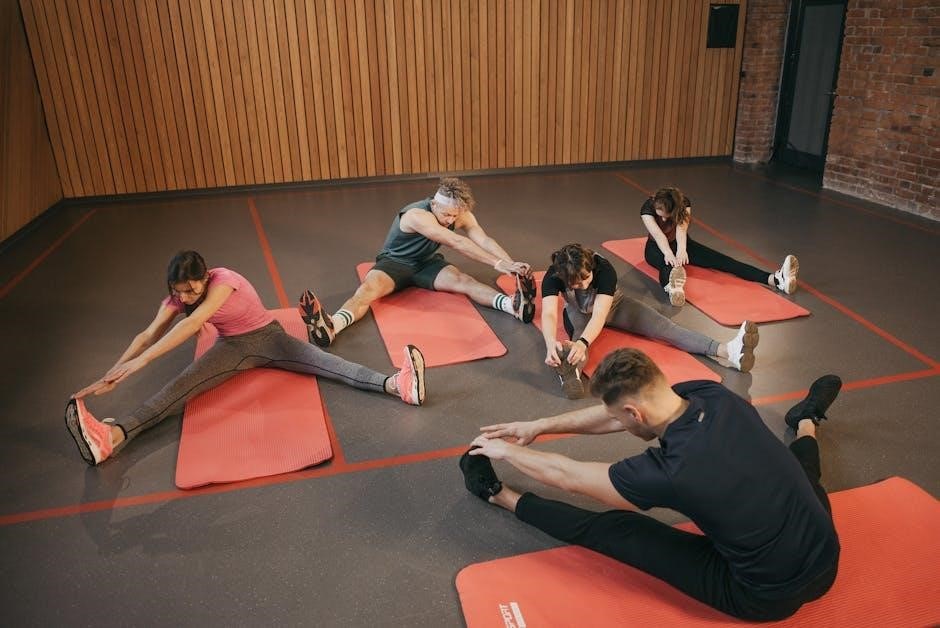
Starting somatic yoga is accessible with numerous somatic yoga exercises PDFs and online resources. Begin with gentle practices, focusing on mindful movement rather than achieving specific poses. Look for 10-minute daily routines on platforms like YouTube to establish a consistent practice.
Consider a 28-day plan, as offered by resources on Amazon, to gradually build awareness and technique. Prioritize slow, deliberate movements, paying attention to sensations in your body. Reddit discussions emphasize the value of understanding basic human anatomy to enhance focus.
Focus on pandiculation – slow contraction and release – to retrain muscles and release chronic tension. Remember, somatic yoga isn’t about pushing your limits, but about listening to your body and fostering a deeper connection to your internal experience.
Chair Yoga and Somatic Exercises for Weight Loss
Chair yoga, combined with somatic exercises, offers a low-impact approach to weight management. Numerous somatic yoga exercises PDFs and programs, like the 28-day challenges available on Amazon, specifically target belly fat reduction.
These routines emphasize mindful movement and gentle contractions, promoting metabolic activation and stress reduction – key factors in weight loss. Focus on pelvic tilts and releases, and gentle spinal movements, easily adaptable for chair practice.
Remember, somatic work isn’t solely about physical exertion; it’s about addressing the emotional and physiological patterns that contribute to weight gain. Utilize online resources and PDF guides to learn proper form and maximize benefits, integrating these practices into a daily routine.
10-Minute Daily Somatic Yoga Practices
Consistency is key! Integrating 10-minute daily somatic yoga practices can profoundly impact well-being. Numerous resources, including readily available somatic yoga exercises PDFs, offer guided routines perfect for busy schedules.
YouTube channels provide excellent examples, demonstrating gentle movements across the entire body. These short practices focus on mindful awareness and releasing chronic tension through pandiculation – slow, controlled contractions and relaxations.
Begin with shoulder and neck releases, then move into pelvic tilts and spinal movements. Downloadable PDF guides can supplement video instruction, ensuring proper alignment and technique. Prioritize quality over quantity, focusing on sensation and mindful presence during each exercise.
Sample Somatic Yoga Exercises
Begin exploring somatic movement! Here are a few exercises, often detailed in somatic yoga exercises PDFs, to initiate your practice. Start with Gentle Spinal Movements: slowly curl the spine forward, then arch it back, noticing each vertebra’s movement.
Next, try Pelvic Tilts and Releases: gently rock the pelvis forward and backward, releasing tension in the lower back and hips. Follow with Shoulder and Neck Releases: slowly circle the shoulders, then gently tilt the head side to side.
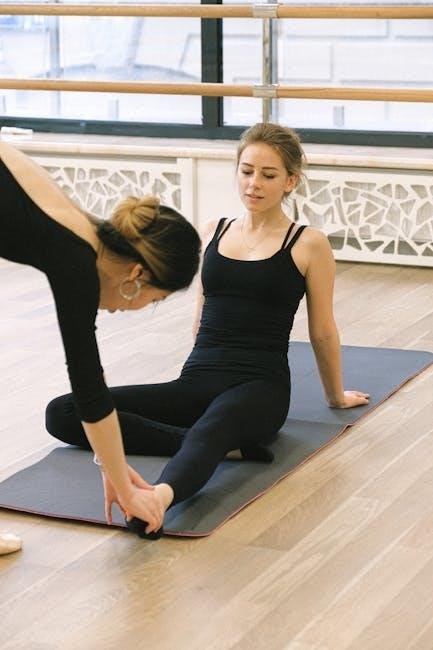
Remember to move slowly and mindfully, focusing on sensation rather than achieving a specific pose. Pandiculation is crucial – contract muscles slightly, then slowly release. Many PDF guides offer visual aids and detailed instructions for these and other exercises, promoting body awareness and pain relief.
Gentle Spinal Movements
Unlock spinal fluidity! These movements, frequently illustrated in somatic yoga exercises PDFs, aim to restore natural range of motion and release deeply held tension. Begin seated or lying down. Gently tuck your chin to your chest, then slowly roll your spine forward, vertebra by vertebra, as if unraveling.
Pause at the bottom, then slowly reverse the movement, arching your spine and lifting your chest. Focus on the sensation of each movement, noticing any areas of restriction. Pandiculation is key: a small contraction before the release enhances the effect.
Repeat 5-10 times, coordinating with your breath. PDF resources often emphasize mindful awareness, encouraging you to observe sensations without judgment. This practice improves posture, reduces back pain, and cultivates body awareness.
Pelvic Tilts and Releases
Re-establish neutral alignment! Somatic yoga exercises PDFs frequently feature pelvic tilts as a foundational movement. Lying on your back with knees bent, gently press your lower back into the floor, tilting your pelvis upward. Then, release, allowing a small natural curve to return.
This subtle movement awakens awareness of the pelvic floor and lower abdominal muscles. Focus on the sensation of the spine connecting and disconnecting from the floor. Incorporate breath – inhale to release, exhale to tilt.
PDF guides often suggest variations, like adding gentle circular motions with the pelvis. This practice addresses lower back pain, improves core stability, and releases tension held in the hips. Remember pandiculation – a small contraction before release – for optimal results.
Shoulder and Neck Releases

Dissolve tension in the upper body! Many somatic yoga exercises PDFs prioritize shoulder and neck releases, addressing common stress holding patterns. Begin seated or standing, gently dropping your chin to your chest, then slowly rolling your head from side to side.
Focus on the sensation of stretch, avoiding any sharp pain. Shoulder rolls – forward and backward – are also key, noticing how the shoulder blades move across the back. Pandiculation is crucial: gently shrug your shoulders up towards your ears before releasing them down.
PDF resources may include arm circles and gentle neck stretches, emphasizing mindful movement and breath synchronization. These exercises alleviate headaches, improve posture, and promote a sense of spaciousness in the upper body, fostering overall relaxation.
Finding Somatic Yoga Resources (PDFs & Online)
Embark on your somatic journey! Numerous somatic yoga exercises PDFs are readily accessible online, offering structured practices for all levels. Amazon hosts books like Corey Merton’s guide, providing 28-day plans focused on stress reduction and weight management.
YouTube channels, such as those offering 10-minute gentle practices, provide visual guidance and accessible routines. Reddit’s r/SomaticExperiencing shares links to free exercises, rooted in Thomas Hanna’s work and pandiculation principles.
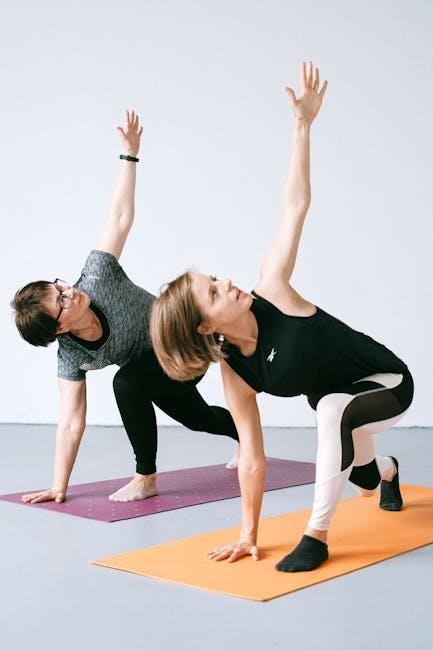
Explore resources from Johns Hopkins and delve into the connection with Somatic Experiencing. Search for “somatic yoga PDF” to uncover downloadable guides, ensuring they align with mindful movement and body awareness principles.
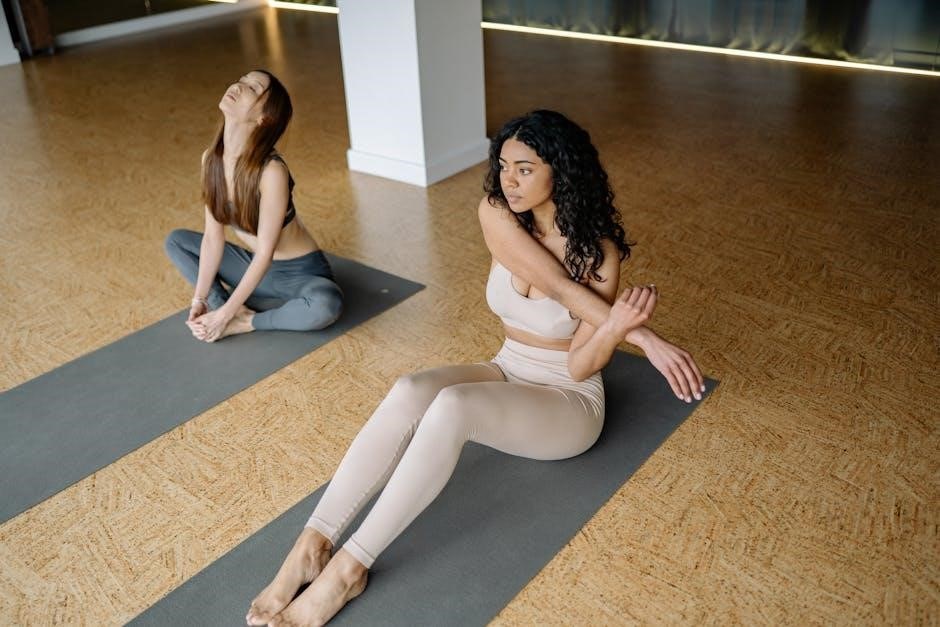
The Role of Anatomy in Somatic Practice
Understanding your body’s architecture is key! A foundational knowledge of human anatomy significantly enhances somatic yoga exercises, allowing for focused intention during movement. Visualizing muscles, ligaments, and bones – their connections and engagement – deepens the practice.
This anatomical awareness helps pinpoint areas of tension and facilitates more effective release through pandiculation. Resources, including somatic yoga exercises PDFs, often benefit from this understanding, enabling practitioners to “find that sweet spot”.
By consciously connecting movement to anatomical structures, you move beyond rote exercise and cultivate a deeper, more embodied experience. This mindful approach, informed by anatomy, can alleviate pain and promote holistic well-being.
Somatic Experiencing and its Connection to Somatic Yoga
Both modalities address the body’s stored trauma! Somatic Experiencing (SE), and somatic yoga exercises share a common ground: recognizing how trauma and stress manifest as chronic holding patterns within the body. SE, often explored on platforms like Reddit’s r/SomaticExperiencing, focuses on releasing these patterns.
Somatic yoga, rooted in Thomas Hanna’s work, utilizes pandiculation – slow, mindful contraction and relaxation – to retrain muscles and release tension. While SE is a therapeutic approach, somatic yoga exercises PDFs offer accessible tools for self-regulation.
Both aim to restore the body’s natural ability to heal, fostering a sense of safety and well-being. Integrating principles from SE can deepen your somatic yoga practice, enhancing its therapeutic potential.
Integrating Somatic Yoga into Your Daily Routine
Small, consistent practices yield significant benefits! Begin by incorporating short somatic yoga sequences – even 10-minute routines found on YouTube – into your mornings or evenings. Utilizing somatic yoga exercises PDFs can provide structured guidance for beginners.
Focus on mindful movement, paying attention to sensations within your body. Pelvic tilts, spinal movements, and shoulder releases are excellent starting points. Prioritize pandiculation – the slow contraction and relaxation of muscles – to release chronic tension.
Consider chair yoga variations for accessibility, especially during work hours. Remember, the goal isn’t strenuous exercise, but rather cultivating body awareness and self-regulation. Make it a habit, and experience the transformative power of somatic practice!